The Art of Event Photography: Capturing Unforgettable Moments
The Importance of Event Photography
Event photography is more than just snapping pictures; it's about capturing the essence of an occasion. Whether it's a wedding, corporate event, or a family gathering, photographs serve as a lasting reminder of the memorable moments shared. The art of event photography lies in its ability to tell a story through images, preserving emotions and experiences that words alone cannot express.
Understanding the Venue and Lighting
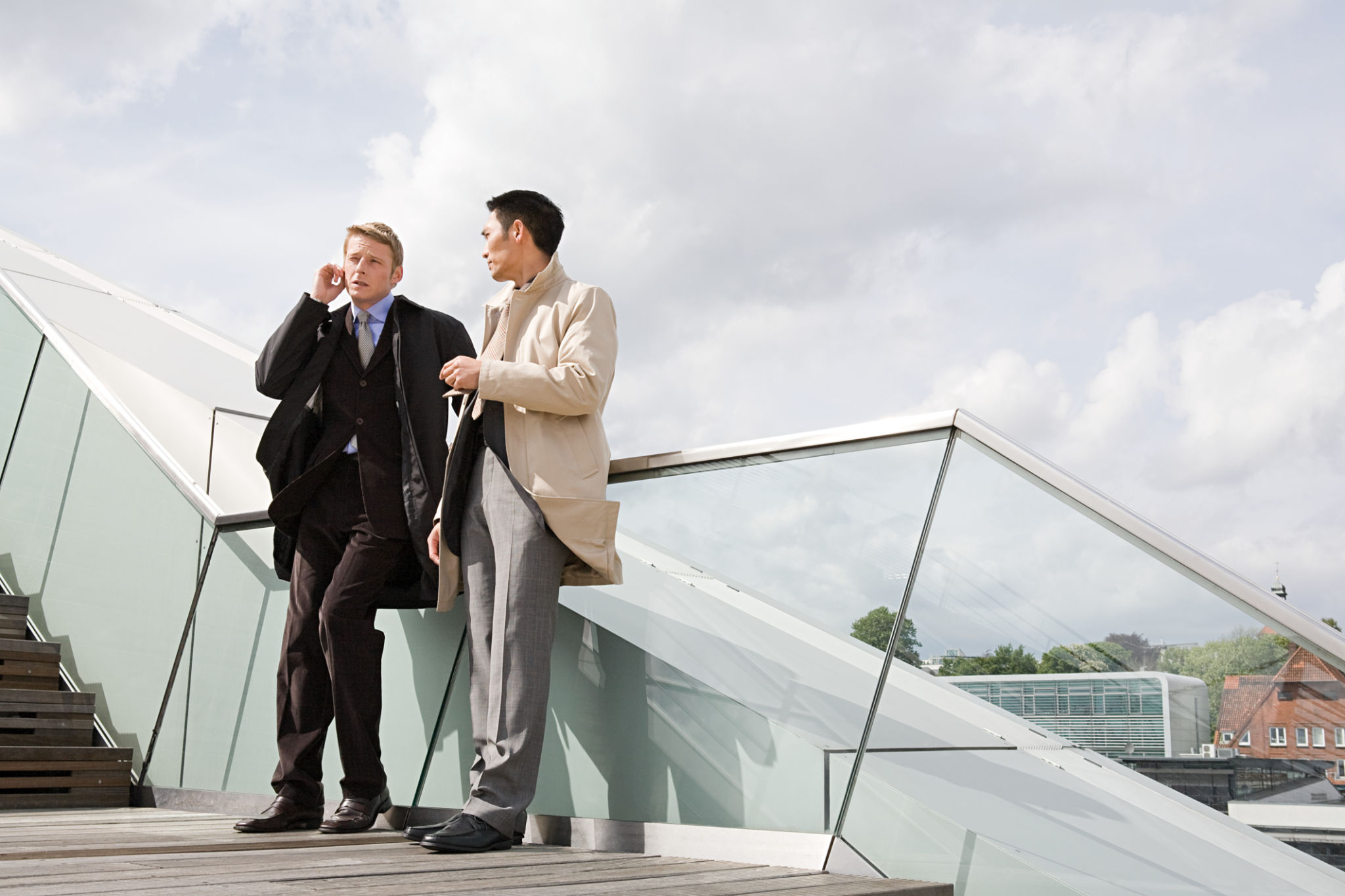
One of the crucial elements of successful event photography is understanding the venue. Different locations offer unique challenges and opportunities for photographers. By scouting the venue beforehand, photographers can plan their shots and identify the best angles and lighting conditions. Natural light can create stunning effects, but knowing how to manipulate artificial lighting is equally important.
Lighting can dramatically affect the mood and quality of a photograph. Soft, diffused lighting often works best for intimate moments, while brighter lighting can highlight energy and excitement. A skilled photographer uses lighting to enhance the atmosphere, creating images that evoke the true spirit of the event.
Capturing Candid Moments
While posed photographs are essential, candid shots often capture the most genuine emotions. Candid photography reveals the spontaneous and unrehearsed moments that make an event truly special. Photographers need to be observant, blending into the background to catch those fleeting instances of laughter, surprise, and connection.

The key to capturing great candid shots is patience and timing. Anticipating interactions and being ready to click the shutter at the perfect moment can result in breathtaking images that resonate with viewers.
Essential Equipment for Event Photography
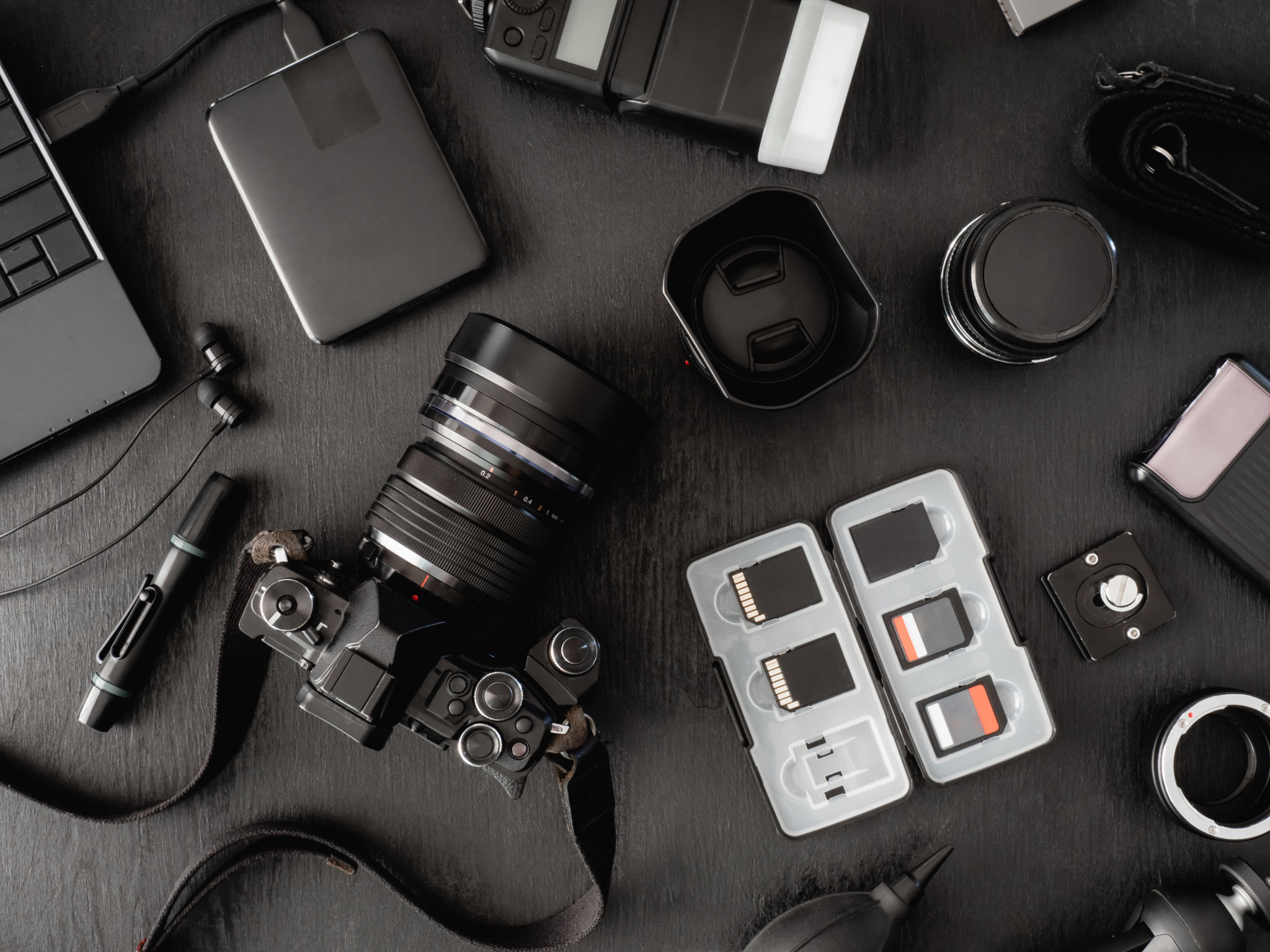
Having the right equipment can make all the difference in event photography. A reliable camera with a fast lens is essential for capturing high-quality images in various lighting conditions. Many photographers prefer using a DSLR or mirrorless camera for its versatility and performance.
Additional equipment such as external flashes, reflectors, and tripods can enhance the quality of the images. Having backup batteries and memory cards ensures that no critical moment is missed due to technical issues. Being prepared with the right tools allows photographers to focus on creativity and capturing unforgettable moments.
Editing and Post-Production
Once the event is over, the work of an event photographer is far from complete. Editing and post-production play a significant role in the final presentation of the images. Through careful editing, photographers can enhance colors, adjust lighting, and crop images to perfection, ensuring each photo captures the intended mood and emotion.
Software tools like Adobe Lightroom and Photoshop are popular choices for editing, offering a wide range of features to refine images. The goal is to produce a cohesive collection of photographs that not only document the event but also tell a compelling story.
Delivering the Final Product
The final step in event photography is delivering the finished product to the client. Photographers may provide physical prints, digital albums, or online galleries for easy sharing. It's essential to present the images in a way that aligns with the client's preferences and highlights the event's uniqueness.
By delivering high-quality photos that capture the essence of the event, photographers ensure their work is cherished for years to come. The art of event photography is a blend of technical skill, creativity, and empathy, making it a rewarding and impactful profession.