How to Photograph Sporting Events: Tips for Capturing the Action
Understanding Your Equipment
Photographing sporting events requires the right equipment. Start with a camera that allows for manual settings and swift autofocus. A DSLR or mirrorless camera is ideal for capturing fast-paced action. Consider investing in a telephoto lens to get closer to the action without being physically near.
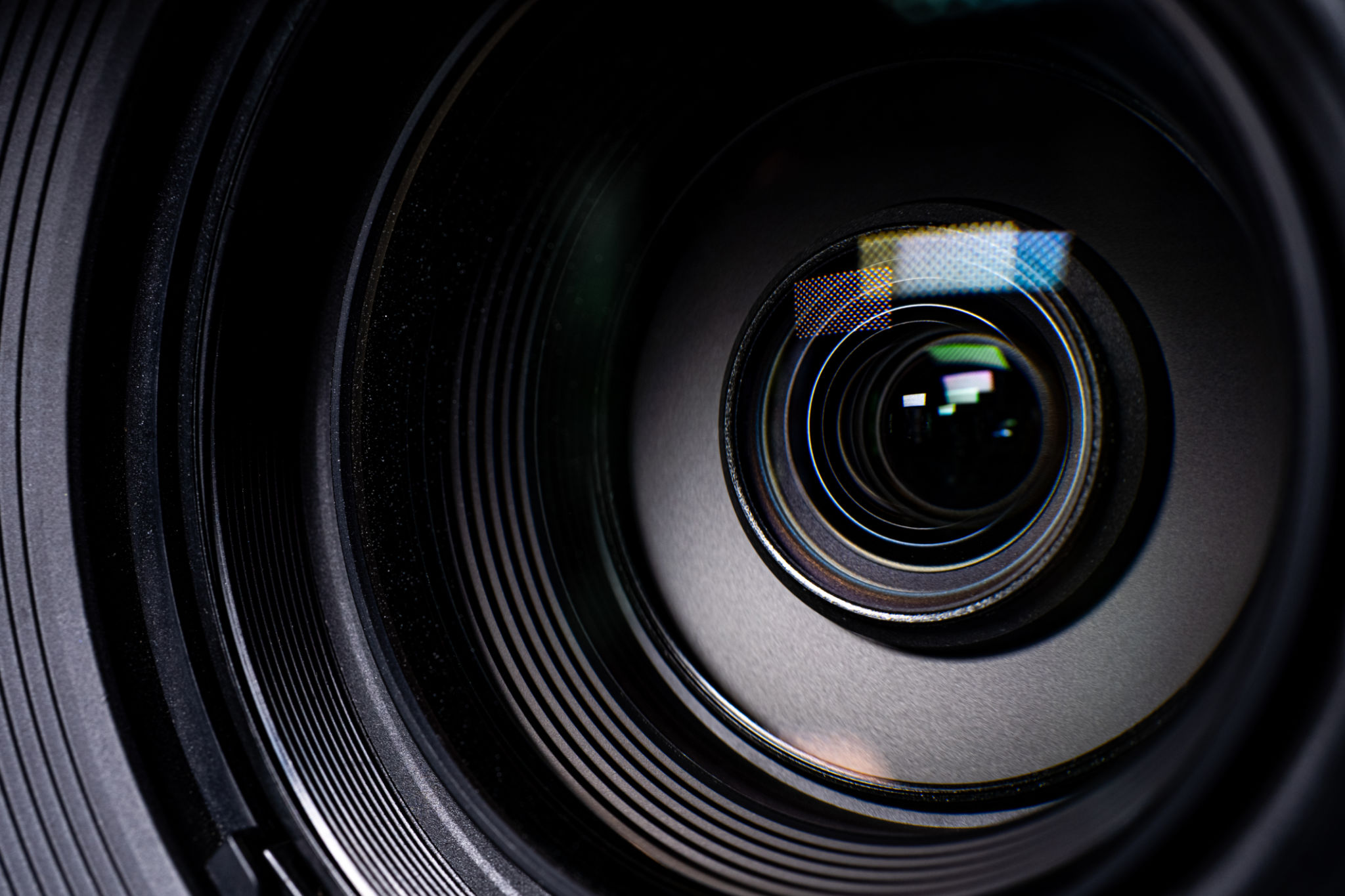
Ensure your camera has a fast shutter speed to freeze the action effectively. A shutter speed of at least 1/1000th of a second is recommended for most sports. Additionally, carry extra batteries and memory cards to avoid missing any crucial moments.
Positioning and Timing
Where you position yourself can make or break your shots. Arrive early to scout the venue and choose a spot that provides a clear view of the action. Being near the sidelines or at the end zones can offer unique perspectives.
Timing is everything in sports photography. Anticipate the action by understanding the flow of the game. This knowledge will help you capture peak moments, such as a goal being scored or a player making a crucial play.
Mastering Composition
Composition plays a vital role in sports photography. Use the rule of thirds to create dynamic and engaging images. This involves dividing your frame into nine equal sections and placing the subject along these lines or their intersections.

Experiment with different angles to add variety to your shots. Low angles can make athletes appear more imposing, while high angles can provide an overview of the scene. Don't be afraid to get creative with your compositions to capture the essence of the event.
Capturing Emotion and Storytelling
Sports are not just about action; they're about emotion and storytelling. Capture the determination on an athlete's face, the jubilation of a team celebrating, or the disappointment in defeat. These moments add depth and context to your images.
Focus on details such as the expressions of fans, the tension in a player's stance, or the camaraderie among teammates. These elements can convey the emotional highs and lows of the sporting event.
Post-Processing and Editing
Post-processing is an essential step in refining your sports photographs. Use editing software to adjust exposure, contrast, and color balance. Cropping can help improve composition and eliminate distractions.
However, be mindful not to over-edit. Keep the images as natural as possible to maintain the authenticity of the moment. Subtle enhancements can make your photos stand out without altering the reality of the scene.
Adapting to Different Sports
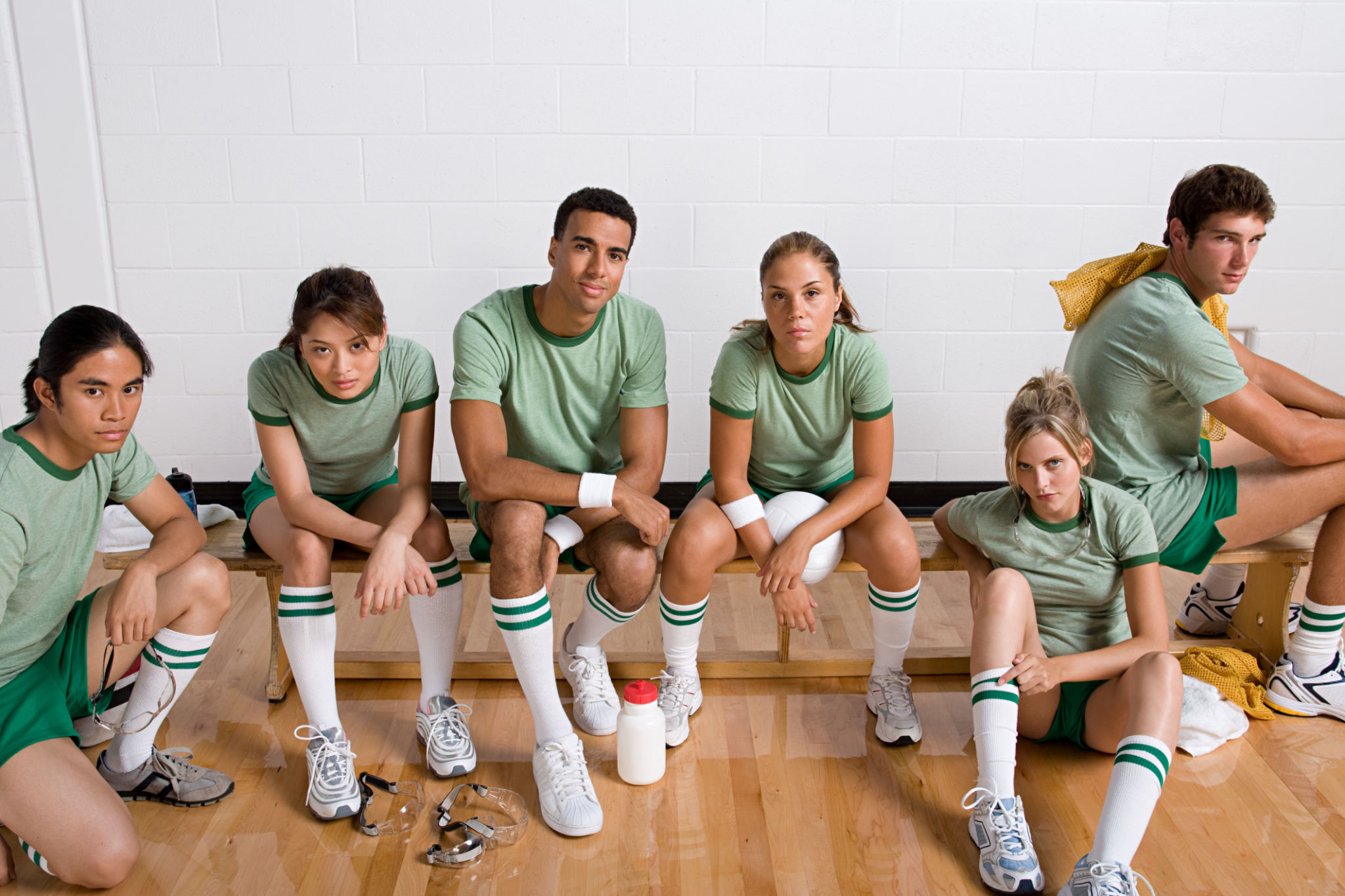
Each sport has its unique dynamics and challenges. For instance, photographing football or soccer involves capturing wide fields and fast-moving players, while basketball requires focusing on indoor lighting and swift transitions.
Research the specific sport you are photographing to understand its nuances. This knowledge will guide your approach and enable you to capture the most compelling images possible.
Building Your Skills
Practice is key to mastering sports photography. Attend local events to hone your skills and experiment with different techniques. Over time, you'll develop an eye for anticipating action and capturing those decisive moments.
Consider joining photography clubs or online forums to connect with other sports photographers. Sharing experiences and learning from others can provide valuable insights and inspiration for your work.